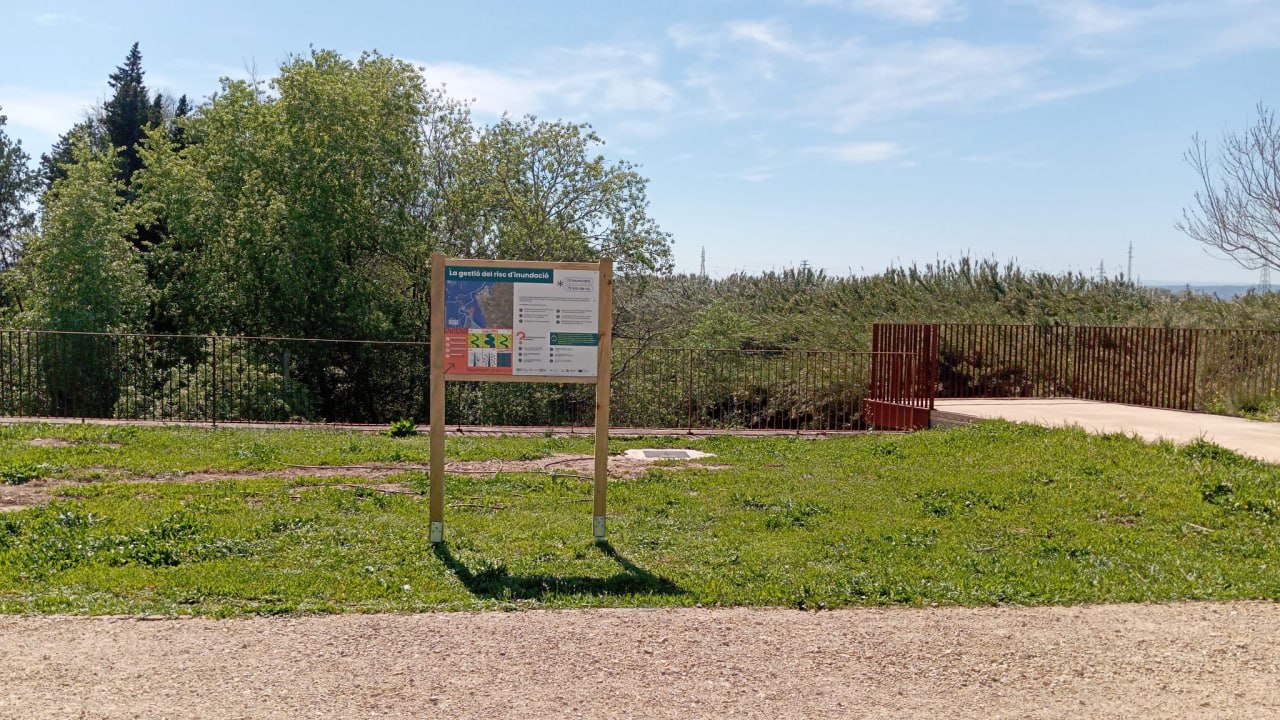
The Consorci de la Ribera and Limne install 15 information panels to raise awareness of flood risk

  • The network of information boards, located at strategic points across the thirteen municipalities involved in the project, provides guidance on how to protect oneself during floods and details the environmental restoration work carried out.
  • The initiative aims to change the public’s perception of the river, linking the recovery of the riparian forest with the region’s resilience to severe weather events.
  • The project is supported by the Fundación Biodiversidad del Ministerio para la Transición Ecológica y el Reto Demográfico (MITECO) as part of the Recovery, Transformation and Resilience Plan (PRTR), funded by the European Union – NextGenerationEU.

30 March 2026.- The Consorci de la Ribera, comprising the Ribera Alta and Ribera Baixa associations of municipalities, and the Fundació Limne have completed the installation of a network of 15 environmental information panels in the municipalities participating in the “Canya a la Canya” project. These displays, situated in public areas close to the project sites but above flood levels, serve as an educational window into risk management and river biodiversity.

Risk culture and self-protection

The content of the panels gives a central role to “flood risk management”. Using maps specific to each locality, residents can visually identify flood-prone areas for return periods of 10, 100 and 500 years. This information is complemented by a practical guide to emergency response, which includes vital advice such as avoiding garages, abandoning your vehicle if the water rises above the axles, or securing toxic substances in high places.

The project’s organisers emphasise that the severity of phenomena such as DANAs, linked to rising sea temperatures, makes it necessary to “rethink the territory” and provide the public with early warning systems and accessible risk maps.

Summary of the ‘Canya a la Canya’ project

The information boards also serve as a public summary of the project’s achievements (2022–2025) along a 75-kilometre stretch of the river. Among the figures available for public consultation are: vegetation restoration through the planting of over 61,600 helophytes, 35,700 shrubs and 1,300 native trees; the removal of invasive species through the mechanical clearing of 172,210 m² of invasive reed (Arundo donax) and the management of 2,120 m² of reed beds; and bioengineering and floodplain management measures that have enabled the stabilisation of 4,830 m² of riverbanks and the conversion of former abandoned farmland into floodplains to reduce the force of floods, providing 27,771 m² of flood resistance capacity.

Furthermore, during the project, great emphasis was placed on public information, with over 400 environmental education activities carried out, involving more than 8,000 people.

A joint commitment to resilience

Both the Consorci de la Ribera and the Fundació Limne emphasise that these panels serve as a link between technical intervention and raising public awareness. The environmental information network has been installed in Sumacàrcer, Antella, Gavarda, Alberic, Benimuslem, Alzira, Algemesí, Albalat de la Ribera, Polinyà de Xúquer, Sueca, Riola, Fortaleny and Cullera.

This project is supported by the Biodiversity Foundation of the Ministry for Ecological Transition and the Demographic Challenge (MITECO) as part of the Recovery, Transformation and Resilience Plan, funded by the European Union – NextGenerationEU.


Categories Tags

The “Canya a la canya” project comes to an end, significantly exceeding its targets for the removal of invasive reed

  • Over the 28 months of the project, 172,210 m² of invasive reed has been removed, exceeding the 142,012 m² initially planned.
  • The “Canya a la canya” project leaves a 75 km green corridor in La Ribera.
  • The project is supported by the Fundación Biodiversidad of the Ministerio para la Transición Ecológica y el Reto Demográfico (MITECO) as part of the Recovery, Transformation and Resilience Plan (PRTR), funded by the European Union – NextGenerationEU.

25 March 2026.– The ‘Canya a la canya’ project has come to an end, having significantly exceeded the objectives set at the outset. Launched in November 2023, it was originally due to conclude in December 2025, but was extended until March 2026 as a result of the effects of the 2024 DANA, which disrupted some of the activities. The project has been implemented by the Consorci de la Ribera, comprising the Ribera Alta and Ribera Baixa associations of municipalities, and the Fundació Limne.

This initiative was launched with the aim of mitigating the risk and impact of flooding by creating a 75-kilometre green corridor along the River Xúquer through a series of objectives: the removal of obstructions; the creation of flood retention areas; the restoration of the riverine environment; the improvement of infrastructure; and the stabilisation of the riverbanks. Work has been carried out in 13 municipalities in the Ribera Alta and Ribera Baixa regions: Sumacàrcer, Antella, Gavarda, Alberic, Benimuslem, Alzira, Algemesí, Albalat de la Ribera, Polinyà de Xúquer, Sueca, Riola, Fortaleny and Cullera. The objectives have been successfully achieved and have far exceeded the initial forecast.

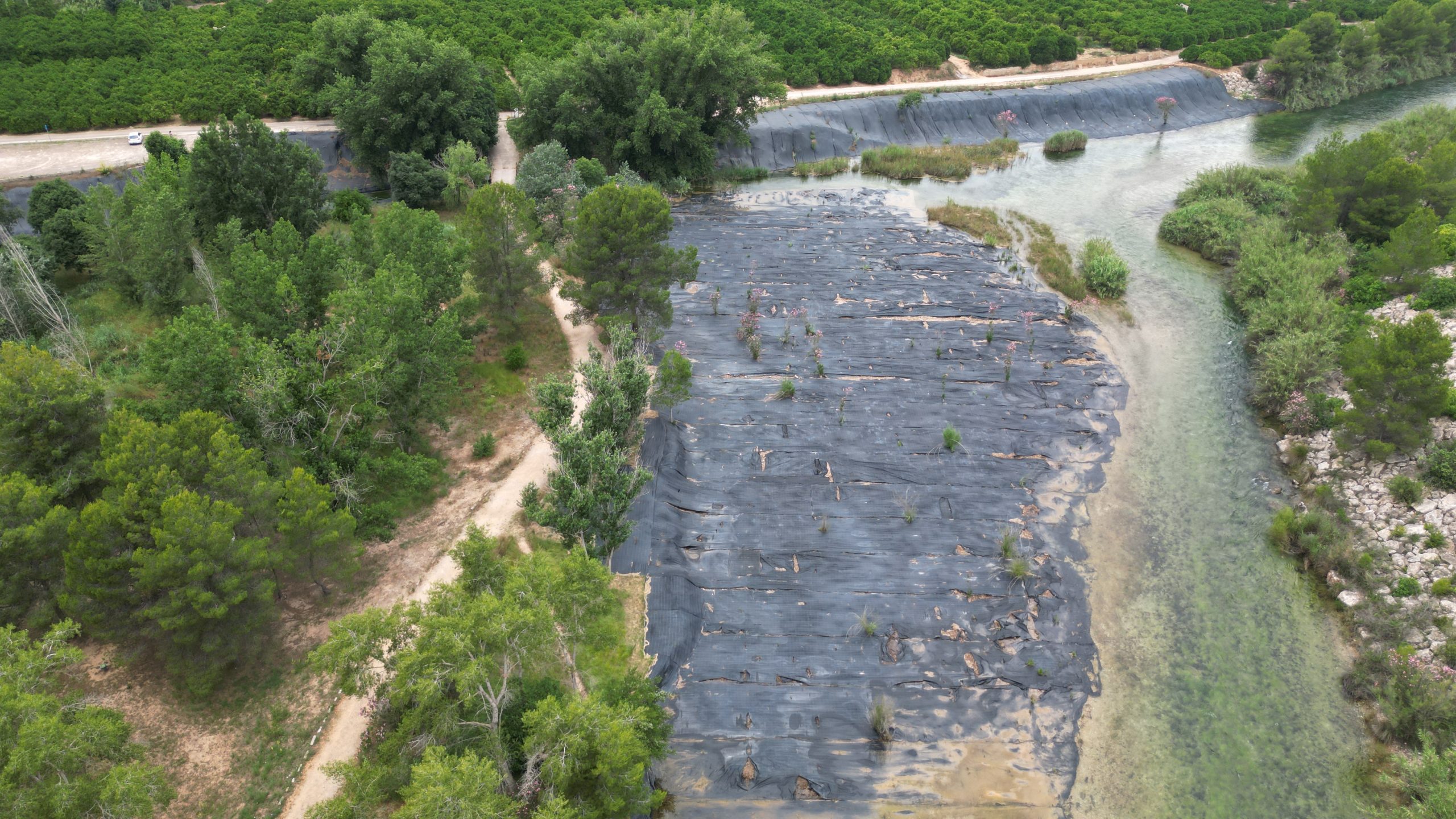
The main action – the removal of Arundo donax – has cleared a total of 172,210 m² of this invasive alien species from the riverbanks. This represents 121.26% of the figure estimated prior to the project, which was 142,012 m². In addition, 63,800 m² of geotextile that was damaged during the 2024 DANA had to be replaced.

The objectives for the management and control of native vegetation have also been exceeded, with the removal of 2,021 m² of reed beds and the management of 63 trees in poor condition and 2,120 m² of shrubs. Furthermore, more than 100,000 native riparian forest species have been planted in the cleared area.

In addition to removing the geotextile used during the “Canya a la canya” project to prevent the reeds from regrowing, more than 30,000 m² of abandoned geotextile from previous projects has been removed in the municipalities of Gavarda, Algemesí and Albalat de la Ribera. This figure once again exceeds the target, which was set at less than 6,000 m².

As for other technical measures, a key initiative has been the conversion of 27,771 m² of agricultural land into riverine habitat in the municipalities of Alberic, Alzira, Polinyà de Xúquer, Sueca and Cullera. In the first and last of these towns, this work has been made possible thanks to stewardship agreements with private landowners. Finally, 1,651 m² of bank stabilisation and backfilling has been carried out in Alzira, using the Krainer wall technique, and in Cullera, where a breakwater wall has been constructed.

The project has also carried out cross-cutting governance and participation initiatives, such as the creation of the Xúquer River Advisory Council, involving the Consorci de la Ribera, the Fundació Limne and local councils, as well as private individuals and organisations. Furthermore, 15 environmental information panels have been installed at various points along the river, and over 400 environmental education activities have been carried out, involving more than 8,000 people. These have given the public the opportunity to take part in meetings, community planting days, school workshops, conferences and interpretive trails.

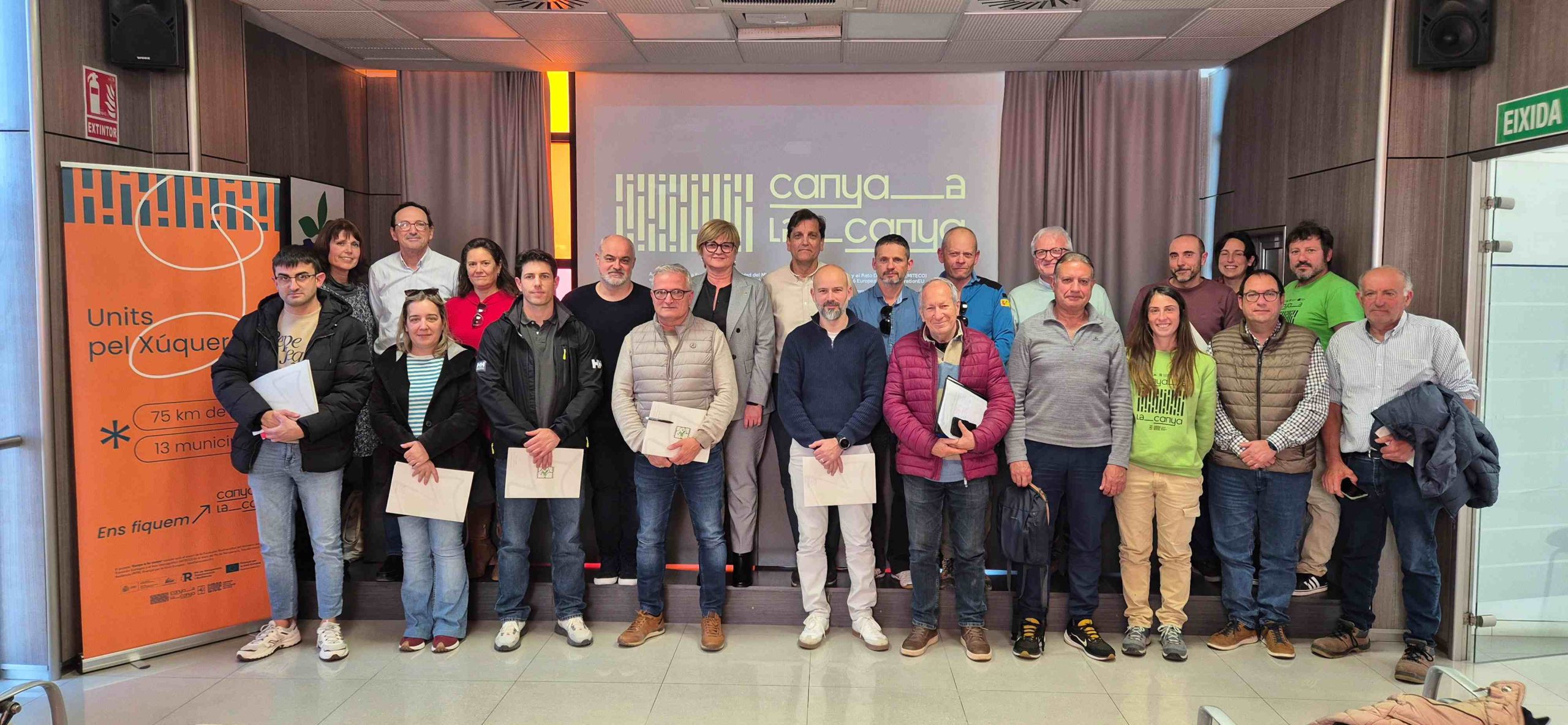
To round things off, “Canya a la canya” opened its doors to local councils and the public for a closing event to mark the end of the project, during which an assessment was made of the actions carried out – which can be considered a success, as they met and exceeded expectations. Furthermore, it has prompted reflection on the need to build on the actions carried out with new initiatives that help to continue improving the environment of the River Xúquer and preventing the risk of flooding.

The “Canya a la canya” project is supported by the Fundación Biodiversidad of the Ministerio para la Transición Ecológica y el Reto Demográfico (MITECO) as part of the Recovery, Transformation and Resilience Plan (PRTR), funded by the European Union – NextGenerationEU.

Categories Tags

The Consorci de la Ribera and Limne present a roadmap to safeguard the conservation of the Xúquer at municipal level

  • A comprehensive legal report, drawn up as part of the “Canya a la Canya” project, defines local powers to turn river restoration into stable public policy.
  • The document has been presented to the newly established Advisory Council as the key tool for coordinating the management of urban watercourses, the fight against invasive species and sustainable public use.
  • The project is supported by the Fundación Biodiversidad of the Ministerio para la Transición Ecológica y el Reto Demográfico (MITECO) as part of the Recovery, Transformation and Resilience Plan (PRTR), funded by the European Union – NextGenerationEU.

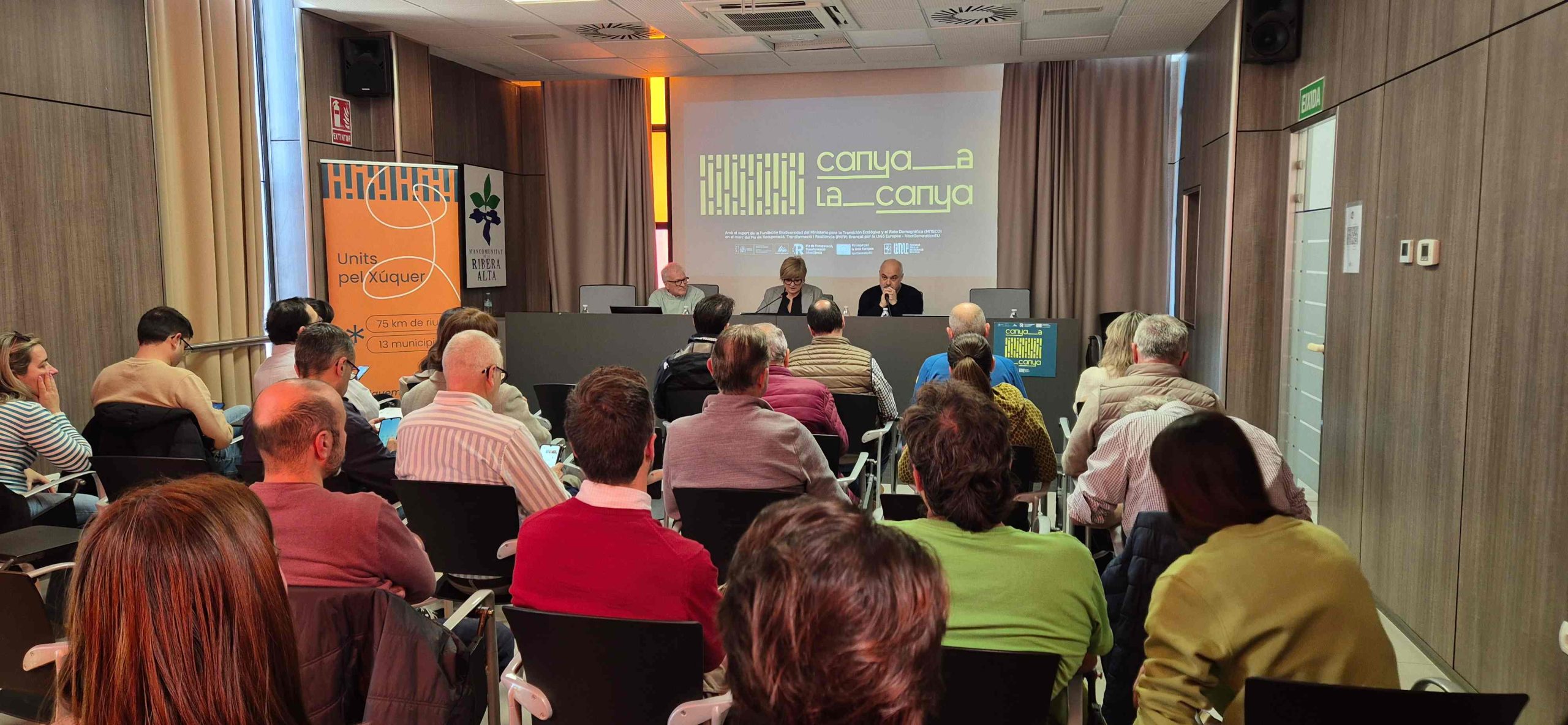
24 March 2026.- Following the recent establishment of the Advisory Council for the promotion and conservation of river ecosystems, the Consorci de la Ribera, comprising the Ribera Alta and Ribera Baixa associations of municipalities, and the Fundació Limne have presented a pioneering legal report that clarifies and strengthens the role of local councils in the protection of the River Xúquer.

The report, drafted by experts in administrative and environmental law under the umbrella of the “Canya a la Canya” project, has a clear objective: to ensure that restoration actions are not isolated interventions, but are consolidated as part of the routine and planned management of each municipality.

A legal framework for local councils

Historically, the complexity of responsibilities within the public water domain has created uncertainty in local management. The new report presented by the Consorci and Limne clears up these doubts, emphasising that the Framework Law on Local Government and the recent reforms to the Public Water Domain Regulations fully empower local councils to take action on their urban sections. “We want every local council to have a clear roadmap, backed by legal certainty, to maintain what has been restored”, says Toni Barea Olmos, president of the Consorci de La Ribera.

The document highlights several key points, such as the possibility for local councils to implement multi-year maintenance programmes for selective cleaning and the control of invasive species (such as the well-known invasive reed Arundo donax) without constant authorisations, provided they have a favourable report from the Júcar River Basin Authority; the need to integrate the river into the municipalities’ General Urban Development Plans (PGOU), promoting Green Urban Planning that protects ecological corridors from human pressure and the urbanisation of floodplains; and the identification of the Municipal Natural Area as the ideal framework in the Valencian Community for local councils to lead the active conservation of their natural heritage.

Shared governance and stewardship of the territory

In its legal report, the Consorci de la Ribera y Limne places particular emphasis on the fact that the health of the Xúquer depends on cooperative governance. The Consorci reaffirms its role as the ideal vehicle for coordinating shared services, optimising costs and providing technical and legal assistance to local councils.

Furthermore, the report advocates for public-social collaboration, positioning the stewardship of the territory as a strategic approach. This model enables civil society organisations and local councils to sign agreements for ecological monitoring and public awareness-raising, ensuring that the local community feels jointly responsible for the care of their river.

About the Canya a la Canya project

The Canya a la Canya project, running from 2022 to 2026, has focused on creating a major green corridor between Sumacàrcer and Cullera, centred on the restoration of native biodiversity and the reduction of flood risk. The initiative has been supported by the Fundación Biodiversidad of the Ministerio para la Transición Ecológica y el Reto Demográfico (MITECO), as part of the Recovery, Transformation and Resilience Plan, funded by the European Union – NextGenerationEU.
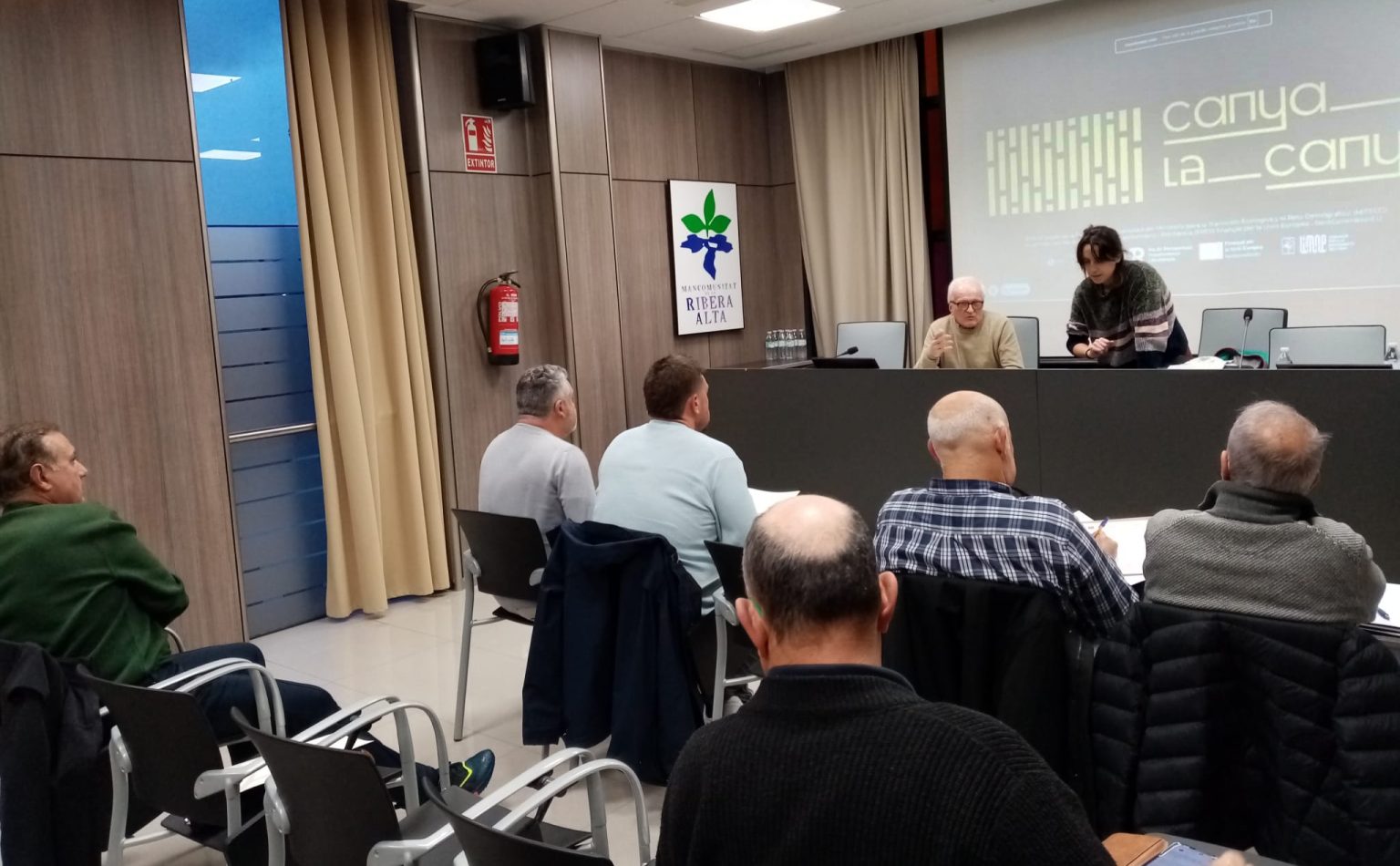
Report on the local regulatory framework for green infrastructure

Categories Tags

Meeting of the Advisory Council on River Ecosystems in La Ribera


  • This advisory body has defined its definitive lines of action around six thematic areas.
  • Implemented by the Consorci de la Ribera and the Fundació Limne, the ‘Canya a la canya’ project is progressing in the municipalities of La Ribera with the creation of a 75 km green corridor.
  • The project has the support of the Fundación Biodiversidad of the Ministerio para la Transición Ecológica y el Reto Demográfico (MITECO) within the framework of the Recovery, Transformation and Resilience Plan (PRTR), financed by the European Union – NextGenerationEU.
On Thursday 29 January, the Advisory Council for the Promotion and Conservation of River Ecosystems in La Ribera held a regular meeting at the headquarters of the Consorci de la Ribera, formed by the associations of municipalities of La Ribera Alta and La Ribera Baixa.

This advisory body, created within the framework of the Consorci de la Ribera and Fundació Limne ‘Canya a la Canya’ project, aims to strengthen coordination, participation and the definition of strategies for the promotion and conservation of river ecosystems in the Ribera del Xúquer region.

During the meeting, members analysed the various proposals for lines of action that had been presented. They also prioritised and defined the final lines of action, established around six thematic blocks considered to be priorities: flood prevention; ecological flows and the state of water bodies; management, conservation, restoration and maintenance; education, awareness-raising and citizen involvement; river stewardship; and tourism management. Finally, the following steps to be taken in the work of the Advisory Council were established.

With this session, the Consorci de la Ribera and the Fundació Limne reaffirmed their commitment to sustainable management and protection of river ecosystems, consolidating the role of the advisory council, created as part of the ‘Canya a la Canya’ project, as a key forum for participation and advice on environmental improvement in the region.

The ‘Canya a la Canya’ project is supported by the Fundación Biodiversidad of the Ministerio para la Transición Ecológica y el Reto Demográfico (MITECO) within the framework of the Recovery, Transformation and Resilience Plan (PRTR), financed by the European Union – NextGenerationEU.
Categories Tags

The “Canya a la canya” project uses aerial photography to assess the condition of the geotextile

  • Aerial monitoring of the geotextile facilitates the tracking of invasive reed rhizomes and the planning of new interventions on the River Xúquer.
  • The “Canya a la canya” project is progressing in the municipalities of La Ribera with the creation of a 75 km green corridor.
  • The initiative, promoted by the Consorci de la Ribera and the Fundació Limne, will extend the actions by three months and continue with the EmpleaXúquer programme to generate green jobs.

15 January 2026.- The Consorci de la Ribera and the Fundació Limne continue to promote the “Canya a la canya” project, which aims to create a large green corridor between Sumacàrcer and the mouth of the Xúquer River in Cullera. The initiative focuses on the conservation and improvement of the river through actions to manage and control invasive species, restore native vegetation, remove obstructive materials, transform abandoned crops into river spaces and stabilise riverbanks.

During the second half of 2025, an aerial survey of the geotextile installed in different municipalities was carried out in order to assess the state of the invasive reed rhizome and plan the next actions on the Xúquer river, which will be carried out in the first months of 2026.

The green corridor being developed covers an area of 124,358 m² along 75 km of the Xúquer River, in the municipalities of Sumacàrcer, Antella, Gavarda, Alberic, Benimuslem, Alzira, Algemesí, Albalat de la Ribera, Polinyà de Xúquer, Sueca, Riola, Fortaleny and Cullera.

‘This is a strategic commitment for the municipalities of the Consortium, which, in addition to combating the risk of flooding and the effects of climate change, focuses on generating sustainable public use and encouraging citizen participation in the governance of the territory,’ said the organisation.

The “Canya a la canya” project is supported by the Fundación Biodiversidad of the Ministry for Ecological Transition and Demographic Challenge (MITECO) within the framework of the Recovery, Transformation and Resilience Plan (PRTR), financed by the European Union – NextGenerationEU.
Extension of the project duration due to the 2024 DANA

The project’s activities, which were initially scheduled to run until the end of 2025, will be extended for a further three months due to the damage caused by the DANA on 29 October 2024, which severely affected the territory.

Continuity with the EmpleaXúquer project

Once “Canya a la canya” has been completed, it will be continued with the EmpleaXúquer project, which is already underway. This initiative seeks to improve the employability of more than 40 unemployed people in La Ribera through training and recruitment in river restoration and conservation work.

The project, which will last 24 months (2025-2026), is structured in two phases: an initial phase of free training, to be carried out between June and July 2025, and a second phase, which involves the hiring of 16 ecological restorers for 12 months and 5 nature agents for 14 months.

This will not only ensure the continuity of conservation actions on the River Xúquer, but also create green jobs and reduce the impact of flooding in the region.

Categories Tags

The “Canya a la canya” project promotes the conservation of the Júcar river to mitigate the effects of flooding

  • The Fundació Limne signs an agreement with a landowner in Alberic to allocate more than 8,200 m2 of agricultural land to environmental restoration, creating a floodplain area.
  • “Canya a la canya” is a project developed by the Consorci de La Ribera (formed by the Mancomunitat de la Ribera Alta and the Mancomunitat de la Ribera Baixa) and the Fundació Limne in 13 municipalities in the lower Xúquer basin.
  • The project has the support of the Fundación Biodiversidad of the Ministerio para la Transición Ecológica y el Reto Demográfico (MITECO) within the framework of the Recovery, Transformation and Resilience Plan (PRTR), financed by the European Union – NextGenerationEU.

26 November 2025.- The Fundació Limne Foundation, in its commitment to the protection and restoration of aquatic ecosystems, has formalised a Collaboration Agreement with a private landowner in Alberic (Ribera Alta), whose land borders the Public Water Domain of the Júcar River. This agreement is part of the River Stewardship initiative promoted by the ‘Canya a la Canya’ project, led by Limne and the Consorci de La Ribera since 2022.

The main objective of this collaboration is to develop river stewardship actions on an 8,275 m2 plot adjacent to the riverbed, with the clear aim of expanding the river space and creating a flood control area.

A necessary response after the DANA of 2024

This action is particularly relevant in the context of the serious effects that the DANA of October 2024 had on the Valencian Community. The tragedy highlighted, once again, the urgent need to give rivers more space so that they can naturally manage large flows of water, reducing the risk of flooding in urban and agricultural environments.

The stewardship agreement will enable various crucial ecological restoration actions to be carried out on the plot, such as the management and elimination of invasive alien species, such as reeds, the recovery of original or potential riparian vegetation, the design and implementation of actions to adapt and stabilise the banks, and ensuring compliance with the right of way.

The “Canya a la Canya” project as a driving force for river stewardship

The “Canya a la Canya” project, funded by the European Union – NextGenerationEU as part of the Recovery, Transformation and Resilience Plan (PRTR) through the Fundación Biodiversidad of the Ministerio para la Transición Ecológica y el Reto Demográfico, aims to ecologically restore more than 13 urban sections of the Xúquer River and promote river stewardship as a long-term tool to ensure collaboration between the administration and landowners linked to the river.

With this agreement, which will have an initial duration of two years and is renewable, the Fundació Limne reaffirms its role as a land stewardship entity specialising in aquatic ecosystems and undertakes to seek funding, apply for the necessary permits and ensure the proper implementation of the improvements, working together with the owner and the relevant authorities.

This restoration area, which gives more space to the river, joins other agricultural estates that are being used as floodplains in Alzira. These floodplains are areas that help to reduce the maximum flow of a flood, decreasing peak flows as they descend the river. This is because the water is temporarily stored in these larger areas, which protects downstream areas from flooding by moderating the peak of the flood.

Categories Tags

Representatives from governments and organisations from nine European regions meet in Valencia to study the damage caused by the DANA

  • The European partners of the Interreg RIWET project see the damage caused by the DANA first-hand.
  • The “Canya a la canya” project has been selected as a best practice in flood management.
  • “Canya a la canya” is supported by the Fundación Biodiversidad of the Ministerio para la Transición Ecológica y el Reto Demográfico (MITECO) as part of the Recovery, Transformation and Resilience Plan (PRTR), funded by the European Union – NextGenerationEU.
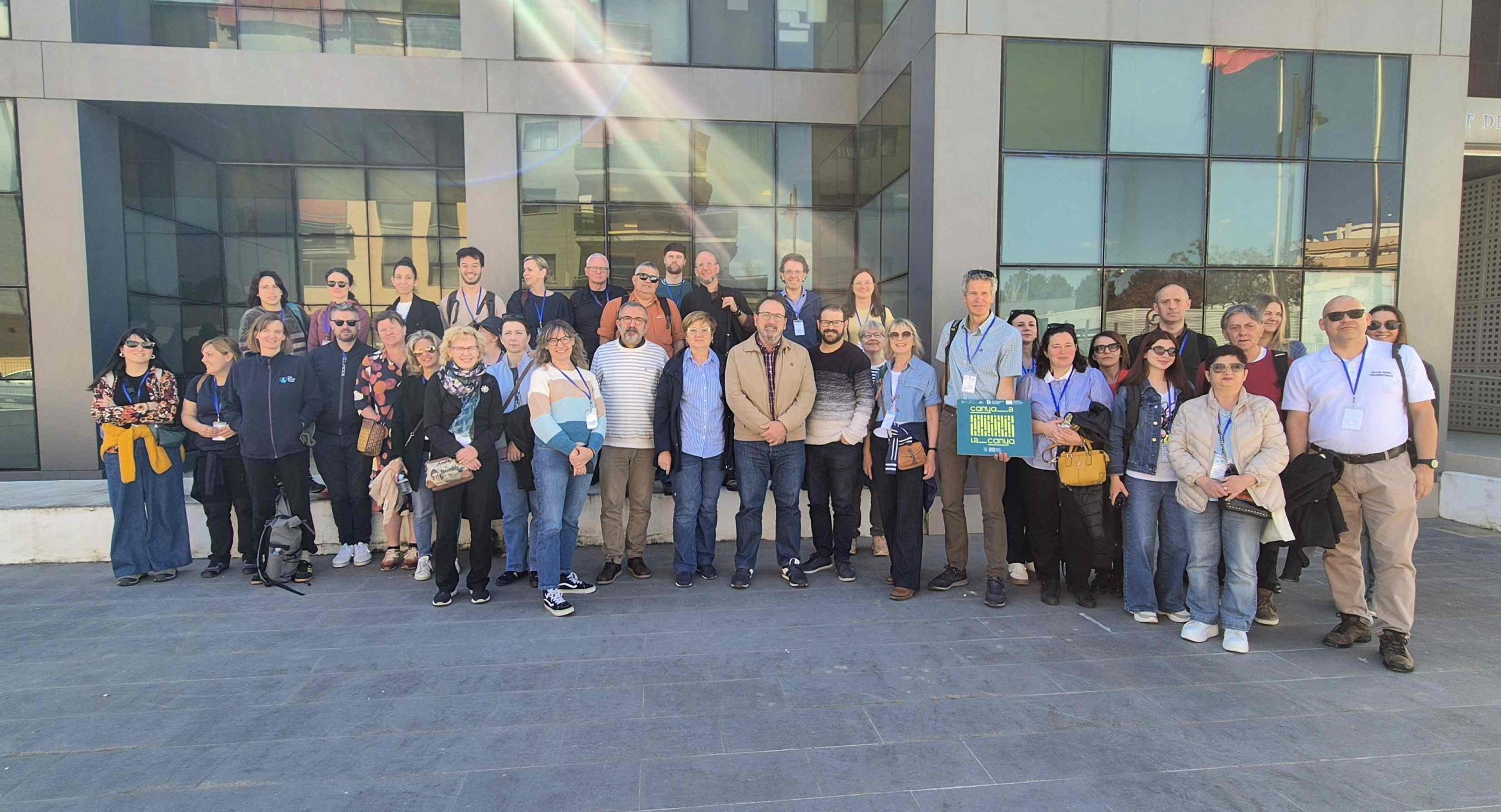
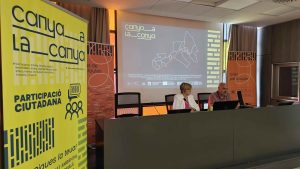
26 March 2025. European partners in the Interreg RIWET initiative, from Albania, Slovenia, Finland, Greece, Ireland, Latvia, the Netherlands, Poland and Ukraine, visited our region this week to study the effects of last October’s DANA.

The ‘Canya a la Canya’ project, coordinated by the Consorci de La Ribera and the Limne Foundation, has been chosen as a good practice in water governance by the RIWET group, which visited the headquarters of the Consorci de la Ribera to learn more about the design and results of the project, with the aim of gaining in-depth knowledge and replicating it in their territories. The European delegates have shown great interest in including the governance mechanisms of ‘Canya a la Canya’ in a forum of innovative management experiences that seeks to promote better restoration of the continent’s rivers through the creation of a model of negotiation and exchange networks involving all the agents and stakeholders involved in the different areas of water management.

The successful experiences of ‘Canya a la Canya’ are part of a commitment to placing social dialogue at the heart of restoration policies, as well as the joint coordination of restoration work from a municipal perspective.

Since 2022, ‘Canya a la Canya’ has been carrying out numerous actions to remove invasive reeds from the banks of 13 municipalities in the lower Júcar basin, using joint river restoration strategies that strike a balance between restoration and flood risk management. In addition to removing reeds, numerous actions have been carried out to stabilise riverbanks and expand the floodplain so that the river can spread out in the event of extraordinary floods.

This is an ambitious project within the framework of the National River Restoration Strategy, which aims to conserve and improve nearly 75 km of urban stretches of the Xúquer River between the towns of Sumacàrcer and Cullera.

The effects of the DANA on the activities that have not yet been completed have aroused great interest among the members of ‘Interreg RIWET’, who have taken note of which actions best withstood the onslaught of water, aimed at the recovery of river spaces or the elimination of longitudinal and transverse barriers and obstacles within the Public Water Domain.

After assessing the damage to the areas of action, the coordinators of ‘Canya a la canya’ explained the project’s planned actions, such as transforming abandoned farmland into river drainage areas, stabilising riverbanks and combating the presence of reeds. However, they added that they will be implementing a series of actions and interventions aimed at strengthening citizen participation, i.e. involving local residents in decision-making processes regarding the actions to be carried out or generating debate on current land use planning.

The ‘Canya a la canya’ project benefits from a call for grants, promoted by the Fundación Biodiversidad of the Ministerio para la Transición Ecológica y el Reto Demográfico (MITECO), for the restoration of river ecosystems and the reduction of flood risk in urban environments, within the framework of the Recovery, Transformation and Resilience Plan (PRTR) financed by the European Union – NextGenerationEU.
Categories Tags

The ‘Canya a la canya’ project assesses damage associated with the DANA

  • ‘Canya a la canya’ is a project developed by the Consorci de La Ribera and the Limne Foundation in 13 municipalities in the lower Xúquer basin.
  • The project is supported by the Biodiversity Foundation of the Ministry for Ecological Transition and Demographic Challenge (MITECO) within the framework of the Recovery, Transformation and Resilience Plan (PRTR), financed by the European Union – NextGenerationEU.
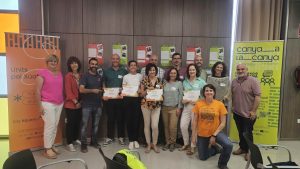
4 December 2024. – The ‘Canya a la Canya’ project, coordinated by the Consorci de la Ribera and the Limne Foundation, has assessed the damage caused by the DANA to the programme’s activities, an ambitious project within the framework of the National River Restoration Strategy, which aims to conserve and improve nearly 75 km of urban sections of the Xúquer River, between the towns of Sumacàrcer and Cullera.

Since 2022, the project has been carrying out numerous actions to remove invasive reeds from the banks of the municipalities involved, using river restoration strategies that strike a balance between restoration and flood risk management.

The cold drop a month ago affected activities that had not yet been completed, aimed in one way or another at the removal of invasive species, but also at the recovery of river areas and the elimination of longitudinal and transverse barriers and obstacles within the Public Water Domain. One of the initial objectives of the project was to increase the hydraulic capacity of certain sections of the riverbed, adapting land adjacent to the river to improve drainage in the event of extraordinary floods.

The entities and administrations involved in the project reaffirm the need to continue managing colonising plants with poor hydraulic behaviour, such as common reed (Arundo donax), which end up blocking the river or causing many other problems. ‘Reeds are an invasive species that cause serious problems on riverbanks by creating a barrier that concentrates the energy of the flow within the riverbed, which can lead to excessive erosion and the collapse of the banks during floods,’ says Sales Tomàs, director of the Limne Foundation. ‘During catastrophic events such as the DANA, reeds are quickly uprooted and can accumulate to form dams, blocking bridges and preventing structures from functioning properly, causing serious problems that would be mitigated by a native riparian forest in better condition and, obviously, giving more space to the river, respecting the floodplain.’

Flood and hazard maps are clear: risk increases when urban growth compromises natural drainage and, on the other hand, increasing impervious cover reduces the infiltration capacity of the soil. The affected basins have a high degree of impermeability and extensive urban development within the floodplain, which obstructed and concentrated the flow in areas where the water should disperse naturally, increasing the danger of flooding and its degree of devastation.

After assessing the damage to the sections of action, ‘Canya a la canya’ will resume its schedule and continue with the planned actions of the project, such as the transformation of abandoned farmland into river drainage areas, the stabilisation of banks and the fight against the presence of reeds, although they point out that they will allocate a series of actions and interventions aimed at strengthening citizen participation, i.e. involving the neighbourhoods of the areas of action in decision-making processes on the actions to be carried out or generating debate on current land use planning.

The president of the Consorci de la Ribera, Josep Mur, added, ‘We must be aware that water will always seek its natural outlet in times of flooding and, in a context of climate change, with increasingly frequent and intense flooding, it will be necessary to address new models of water governance and management, respecting the riverbed and, whenever possible, more space to rivers and ravines, with the necessary restrictions in the floodplain.’ He continues, ‘I would also like to call on other institutions to carry out projects similar to “Canya a la canya” on more rivers in the region, such as the Magro River, which has suffered greatly from the accumulation of this cane, blocking many places where water could pass and even destroying public infrastructure such as bridges and roads.’

This proposal benefits from a call for grants, promoted by the Biodiversity Foundation of the Ministry for Ecological Transition and Demographic Challenge (MITECO), for the restoration of river ecosystems and the reduction of flood risk in urban environments, within the framework of the Recovery, Transformation and Resilience Plan (PRTR) financed by the European Union – NextGenerationEU.

Categories Tags

Twenty-eight schools in La Ribera present educational projects linked to the Xúquer

  • The Environmental Education programme helps to raise environmental awareness among students, which leads to a better understanding of water resources and more sustainable behaviour.
  • The actions are part of the ambitious ‘Canya a la canya’ plan, developed by the Consorci de la Ribera and Fundació Limne in 13 municipalities.
  • The actions are supported by the Fundación Biodiversidad of the Ministerio para la Transición Ecológica y el Reto Demográfico (MITECO) within the framework of the Recovery, Transformation and Resilience Plan (PRTR), financed by the European Union – NextGenerationEU.

31 May 2024.- The ‘Canya a la Canya’ project, coordinated by the Consorci de la Ribera and the Fundació Limne, reiterates its commitment to environmental education as one of the pillars for raising awareness of the aquatic environment and its ecosystem, making society aware of the problems threatening the Xúquer, such as the presence of invasive species or climate change, and providing keys and mechanisms for its conservation and improvement.

With the aim of strengthening training in environmental issues, the ‘Canya a la Canya’ team presented an Environmental Education Toolkit at the beginning of the school year, the guidelines of which have been implemented during this semester.

The aim of the guide was to provide teachers with reference materials on how to integrate river-related topics and concepts into formal and informal education systems. Under the umbrella of this guide and the educational workshops offered by the Canya a la Canya project, schools in La Ribera have developed several proposals addressing issues such as climate change, drought, flood risks, biodiversity, solid waste and ecosystem restoration, among others.

In addition, the workshop proposals encouraged students to leave the classroom and visit the natural environments of the municipalities where the campaign is being implemented, so that they could acquire practical knowledge and environmental awareness about protecting our environment, both in terms of water resources and the environment itself, as well as the history and culture that connects us to the Xúquer.

Presentation of results

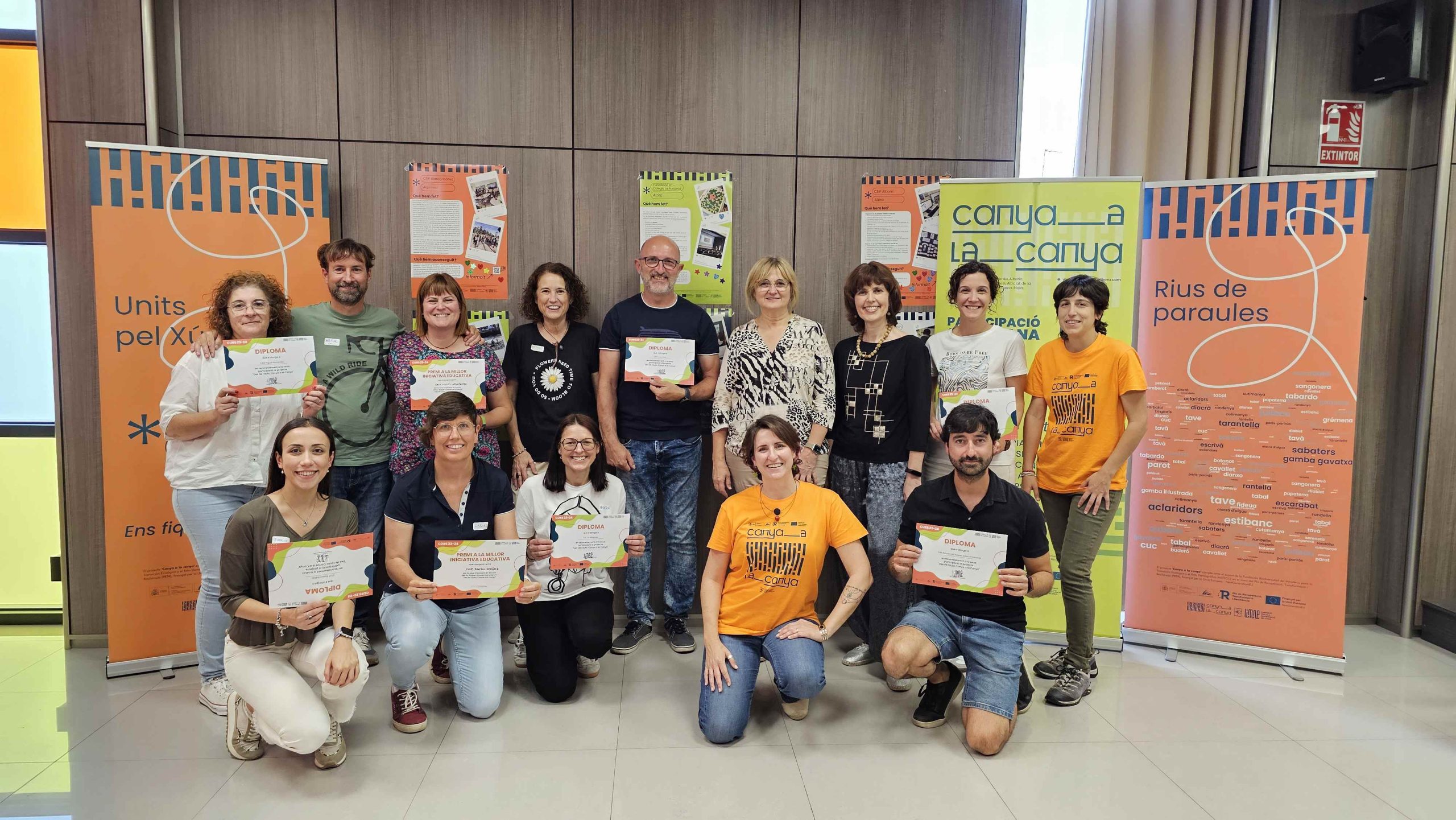
Over the past week, two meetings were held (one focused on primary education and the other on secondary education), at which teachers from the twenty-eight participating schools presented their proposals and results through oral presentations and posters, which were then voted on by the attendees themselves and by the project’s technical team, with the aim of rewarding the most innovative educational experiences.

‘In this first edition of the campaign, we have given a positive assessment to the most cross-curricular proposals’, says Sales Tomàs, director of the Limne Foundation, ‘highlighting those schools that have managed to involve a wider range of subjects in their educational proposal on the Xúquer’.

On behalf of the Consorci de la Ribera, Paqui Momparler Orta and Óscar Navarro Torres emphasise that ‘rivers cross different landscapes and cultures, which is why we believe that environmental education must imitate them and consolidate these cross-cutting projects as an element of educational transformation’.

This educational proposal from the ‘Canya a la canya’ project benefits from a call for grants, promoted by the Fundación Biodiversidad of the Ministerio para la Transición Ecológica y el Reto Demográfico (MITECO)), for the restoration of river ecosystems and the reduction of flood risk in urban environments, within the framework of the Recovery, Transformation and Resilience Plan (PRTR) financed by the European Union – NextGenerationEU.

Categories Tags

Visit to the activities of the Canya a la canya project in the municipalities of Sueca, Riola and Fortaleny

  • The ‘Canya a la canya’ project is supported by the Fundación Biodiversidad of the Ministerio para la Transición Ecológica y el Reto Demográfico (MITECO) within the framework of the Recovery, Transformation and Resilience Plan (PRTR), funded by the European Union – NextGenerationEU.

8 May 2024.- The mayor of Sueca, Dimas Vázquez, and the mayor of Fortaleny, Antonio Sellés, inspected the area covered by the Canya a la canya project in their municipalities, accompanied by the president of the Consorci de la Ribera, Josep Mur Díaz-Hellín.

The Consorci de la Ribera, an entity formed by the Mancomunitat de la Ribera Alta and the Mancomunitat de la Ribera Baixa, was also represented by the president of the Mancomunitat de la Ribera Alta, Paqui Momparler Orta, and the vice-president of the Consorci de la Ribera, Toni Barea. Also present were Paqui Oltra, representing the Riola Town Council, and the councillor for the environment of the Sueca Town Council, Angela Marí.

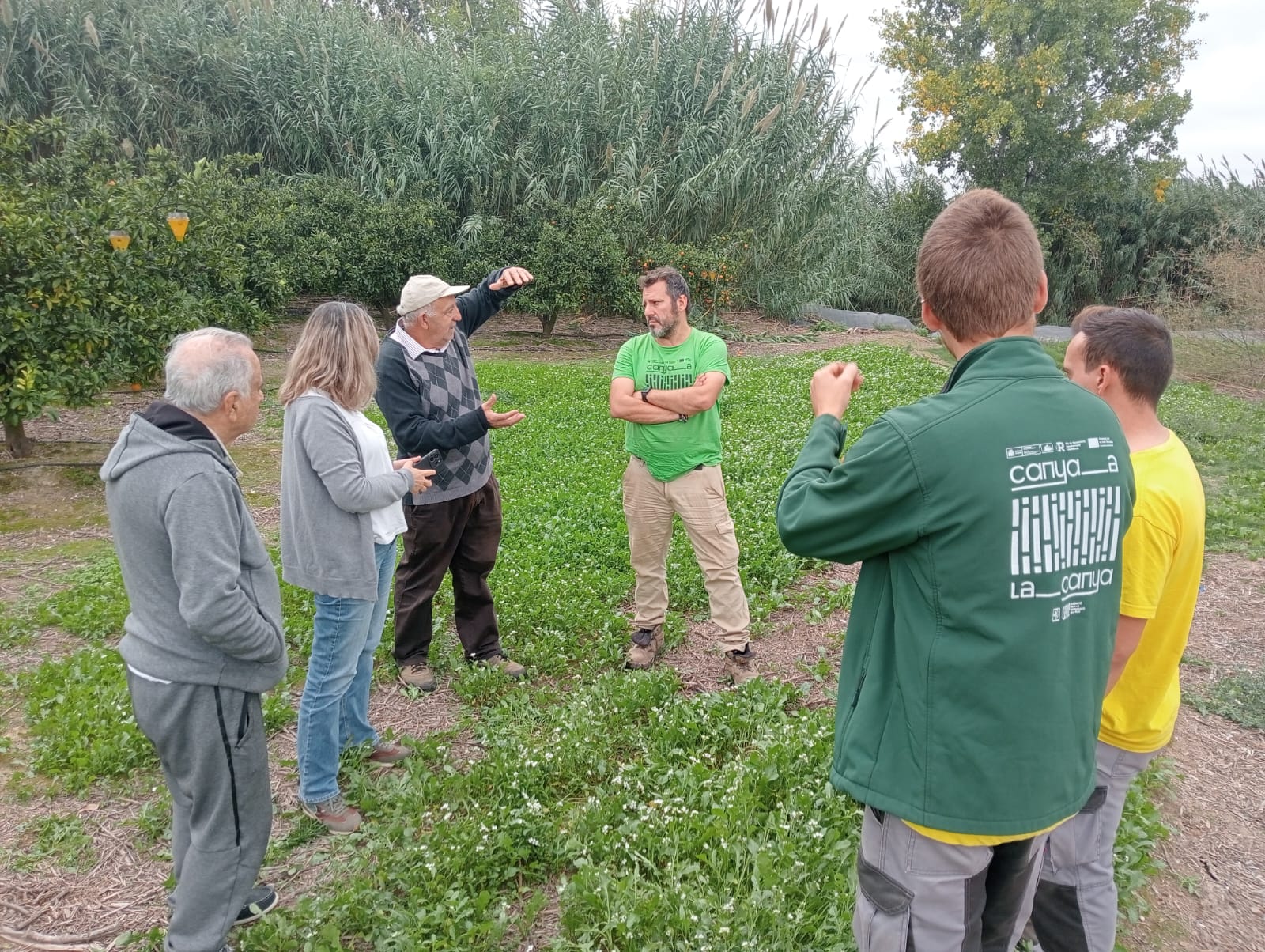
During the visit to the area of action, technicians from the Canya a la canya project gave a technical explanation of the actions to the authorities and contextualised them within the overall project. Representatives of the Limne Foundation explained the communication, training and citizen participation actions planned for the project.

In this phase, the aerial part of the common reed (Arundo donax L.) will be cleared, and then a completely opaque covering will be placed manually, which will later be monitored and removed.

The clearing and covering with subsequent planting corresponds to an area of approximately 15,000 m² in Riola, approximately 10,000 m² in Fortaleny and 7,000 m² of total removal without covering in these three municipalities, and in Sueca, approximately 18,000 m² and approximately 3,500 m² of transformation of cultivated areas into river space.

The ultimate goal, in addition to the environmental restoration of the area, is to enhance the value of the Xúquer and bring this highly valuable space closer to the public. That is why the project also includes public awareness and education activities developed by the Limne Foundation.

The Consorci de la Ribera and the Limne Foundation have announced the creation of a large green corridor between Sumacàrcer and the sea, focused on the conservation and improvement of the Xúquer River through actions to manage and control invasive species, recover native vegetation, removal of obstructive material, transformation of abandoned farmland to create natural river space, and stabilisation and setbacks of riverbanks.

The actions designed for this large green corridor cover an area of 124,358 m² along 75 km of the Xúquer River as it passes through the municipalities of Sumacàrcer, Antella, Gavarda, Castelló, Alberic, Benimuslem, Alzira, Algemesí, Albalat de la Ribera, Polinyà de Xúquer, Sueca, Riola, Fortaleny and Cullera.

The Limne Foundation has mobilised almost 300 citizens in the project’s participatory activities and hopes to involve 29 schools by the end of the educational campaign, which means 7,500 schoolchildren will be involved in the project.

EUROPEAN FUNDS

The project presented by the Consorci de la Ribera and Limne, called ‘Canya a la canya’, has been awarded €3,747,949.03 in a call for grants promoted by the Fundación Biodiversidad of the Ministerio para la Transición Ecológica y el Reto Demográfico (MITECO) for the restoration of river ecosystems and the reduction of flood risk in urban environments, within the framework of the Recovery, Transformation and Resilience Plan (PRTR) financed by the European Union – NextGenerationEU.

The call, which received a total of 230 proposals, has selected 37 projects, including ‘Canya a la canya’, which presents initiatives that promote nature-based solutions that, in addition to restoring and increasing the biodiversity and environmental values of the Xúquer, contribute significantly to reducing flood risks in its urban sections. In addition, the project aims to raise awareness among the population of the importance of river restoration as a tool for reducing the impact of flooding and to transfer the knowledge acquired to other municipalities with similar problems, so that the benefits of the initiative can be multiplied.

Categories Tags
Skip to content