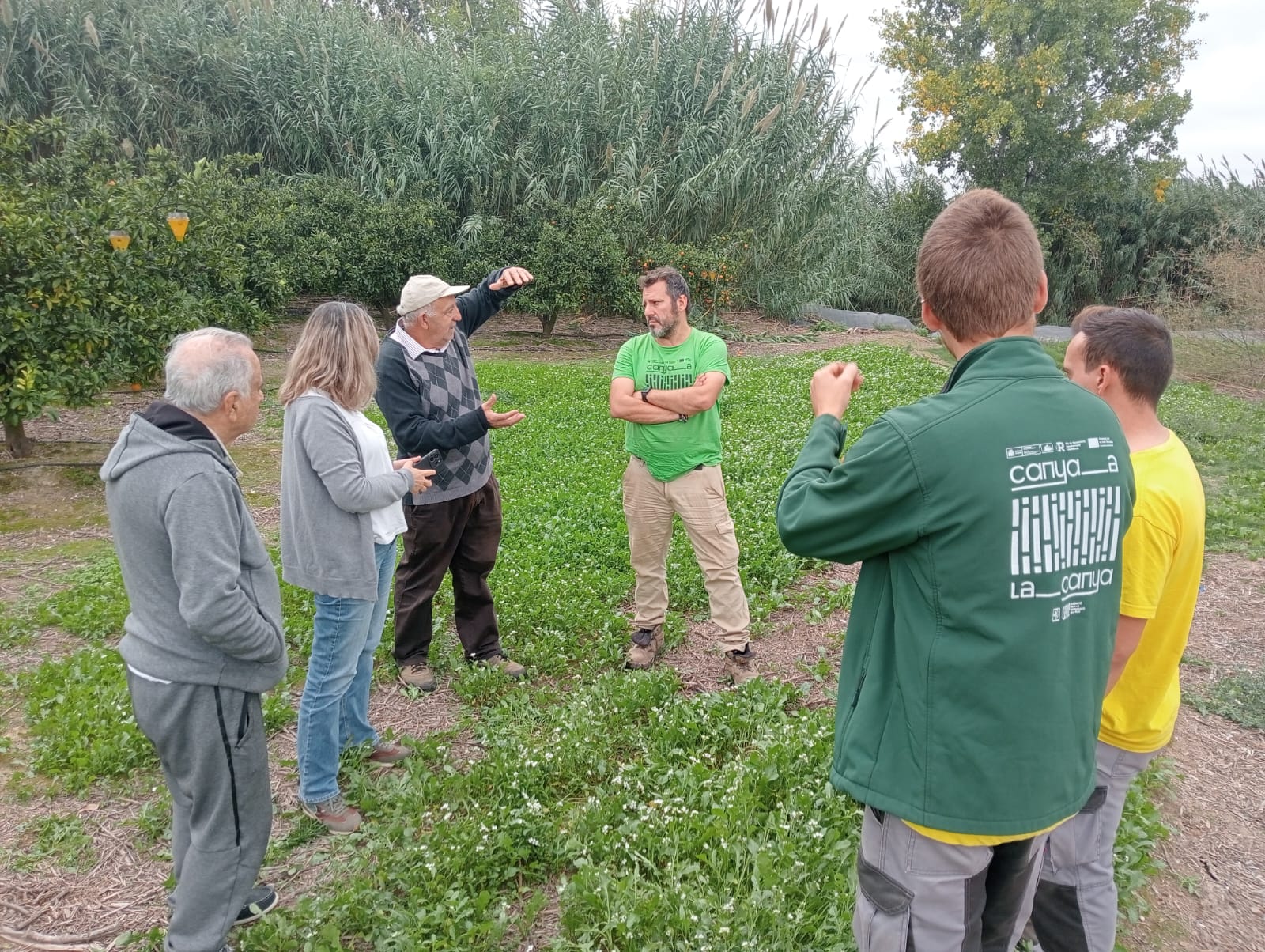
The “Canya a la canya” project promotes the conservation of the Júcar river to mitigate the effects of flooding

  • The Fundació Limne signs an agreement with a landowner in Alberic to allocate more than 8,200 m2 of agricultural land to environmental restoration, creating a floodplain area.
  • “Canya a la canya” is a project developed by the Consorci de La Ribera (formed by the Mancomunitat de la Ribera Alta and the Mancomunitat de la Ribera Baixa) and the Fundació Limne in 13 municipalities in the lower Xúquer basin.
  • The project has the support of the Fundación Biodiversidad of the Ministerio para la Transición Ecológica y el Reto Demográfico (MITECO) within the framework of the Recovery, Transformation and Resilience Plan (PRTR), financed by the European Union – NextGenerationEU.

26 November 2025.- The Fundació Limne Foundation, in its commitment to the protection and restoration of aquatic ecosystems, has formalised a Collaboration Agreement with a private landowner in Alberic (Ribera Alta), whose land borders the Public Water Domain of the Júcar River. This agreement is part of the River Stewardship initiative promoted by the ‘Canya a la Canya’ project, led by Limne and the Consorci de La Ribera since 2022.

The main objective of this collaboration is to develop river stewardship actions on an 8,275 m2 plot adjacent to the riverbed, with the clear aim of expanding the river space and creating a flood control area.

A necessary response after the DANA of 2024

This action is particularly relevant in the context of the serious effects that the DANA of October 2024 had on the Valencian Community. The tragedy highlighted, once again, the urgent need to give rivers more space so that they can naturally manage large flows of water, reducing the risk of flooding in urban and agricultural environments.

The stewardship agreement will enable various crucial ecological restoration actions to be carried out on the plot, such as the management and elimination of invasive alien species, such as reeds, the recovery of original or potential riparian vegetation, the design and implementation of actions to adapt and stabilise the banks, and ensuring compliance with the right of way.

The “Canya a la Canya” project as a driving force for river stewardship

The “Canya a la Canya” project, funded by the European Union – NextGenerationEU as part of the Recovery, Transformation and Resilience Plan (PRTR) through the Fundación Biodiversidad of the Ministerio para la Transición Ecológica y el Reto Demográfico, aims to ecologically restore more than 13 urban sections of the Xúquer River and promote river stewardship as a long-term tool to ensure collaboration between the administration and landowners linked to the river.

With this agreement, which will have an initial duration of two years and is renewable, the Fundació Limne reaffirms its role as a land stewardship entity specialising in aquatic ecosystems and undertakes to seek funding, apply for the necessary permits and ensure the proper implementation of the improvements, working together with the owner and the relevant authorities.

This restoration area, which gives more space to the river, joins other agricultural estates that are being used as floodplains in Alzira. These floodplains are areas that help to reduce the maximum flow of a flood, decreasing peak flows as they descend the river. This is because the water is temporarily stored in these larger areas, which protects downstream areas from flooding by moderating the peak of the flood.
Categories Tags

Kick-off Meeting for the European EMMA project coordinated by the Consorci de la Ribera

19 November 2025, Cullera.

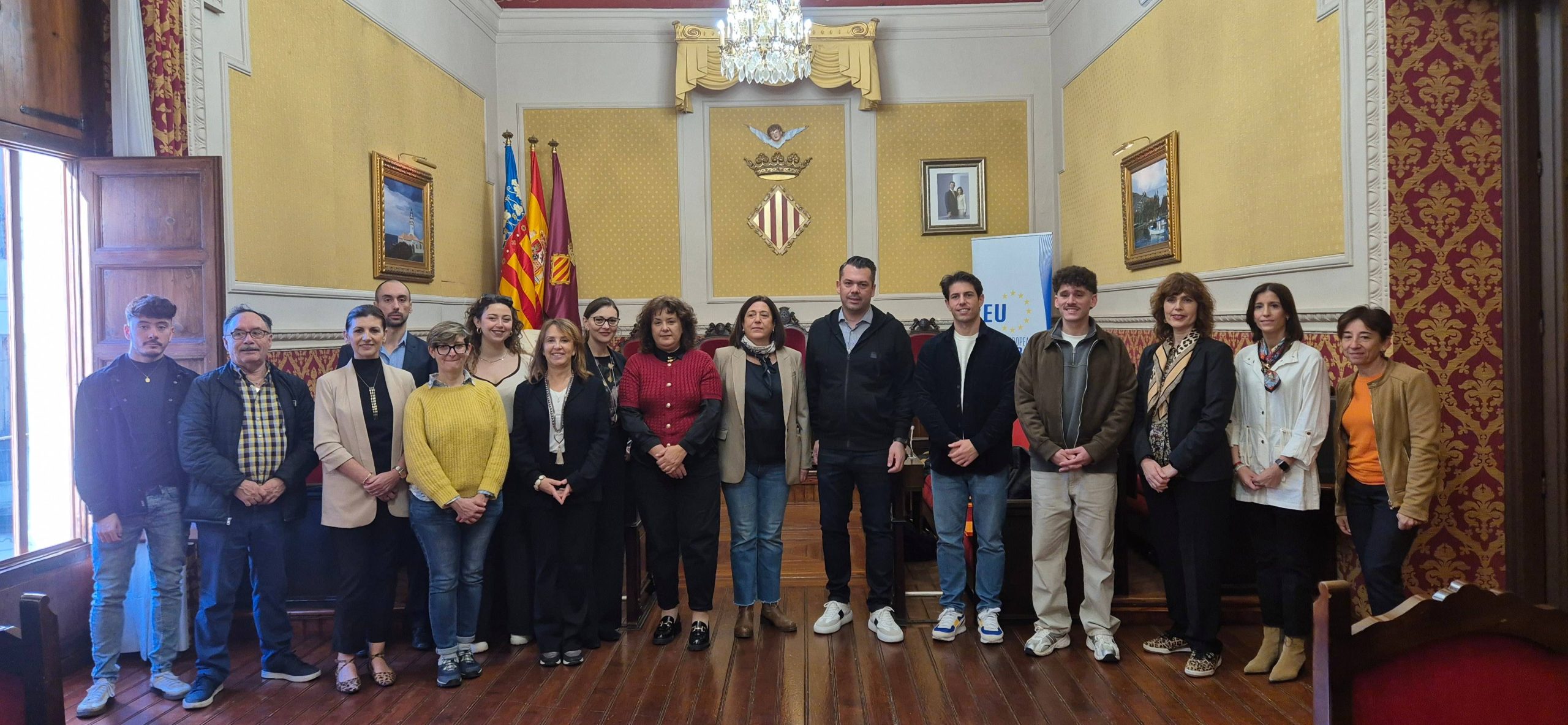
The EMMA project (European training systeM aiMed at smAll and medium-sized municipalities), coordinated by the Consorci de la Ribera, formed by the Mancomunitat de la Ribera Alta and the Mancomunitat de la Ribera Baixa, has been launched during the Kick-off Meeting held in Cullera on 18 and 19 November. This initiative is funded by the European Union through the ERASMUS+ programme and aims to improve emergency response in small and medium-sized municipalities through effective volunteer management.

The meeting began with an institutional welcome by the Ajuntament de Cullera and the presentation of the project partners. Subsequently, the meeting addressed several key issues of the project, such as project management and the identification and development of a methodological intervention model to serve as a common guide. Each institution contributed its point of view on disaster management based on the experiences of its territories, and there was discussion on the necessary training and the creation of a toolkit for technical staff in small and medium-sized local councils. In addition, issues related to the dissemination, promotion and sustainability of the project were addressed. At this meeting, the next steps and other technical issues were defined that will enable progress to be made in its implementation.

The working session was attended by the Consorci de la Ribera and the five partners involved in the project: the Consorzio Scuola Cominità Impresa (Italy), Telewander ApS (Denmark), the Universitatea Lucian Blaga Din Sibiu (Romania), the Ajuntament de Cullera and the municipality of Lake Plastira (Greece).

EMMA will provide information and training tools with the aim of strengthening the skills of staff in small and medium-sized municipalities in the coordination of volunteering. It will also implement technologies such as artificial intelligence and augmented reality. The project will run until September 2027, but all materials will be made available to municipalities and the public when it ends.

Toni Barea Olmos, new president of the Consorci de la Ribera

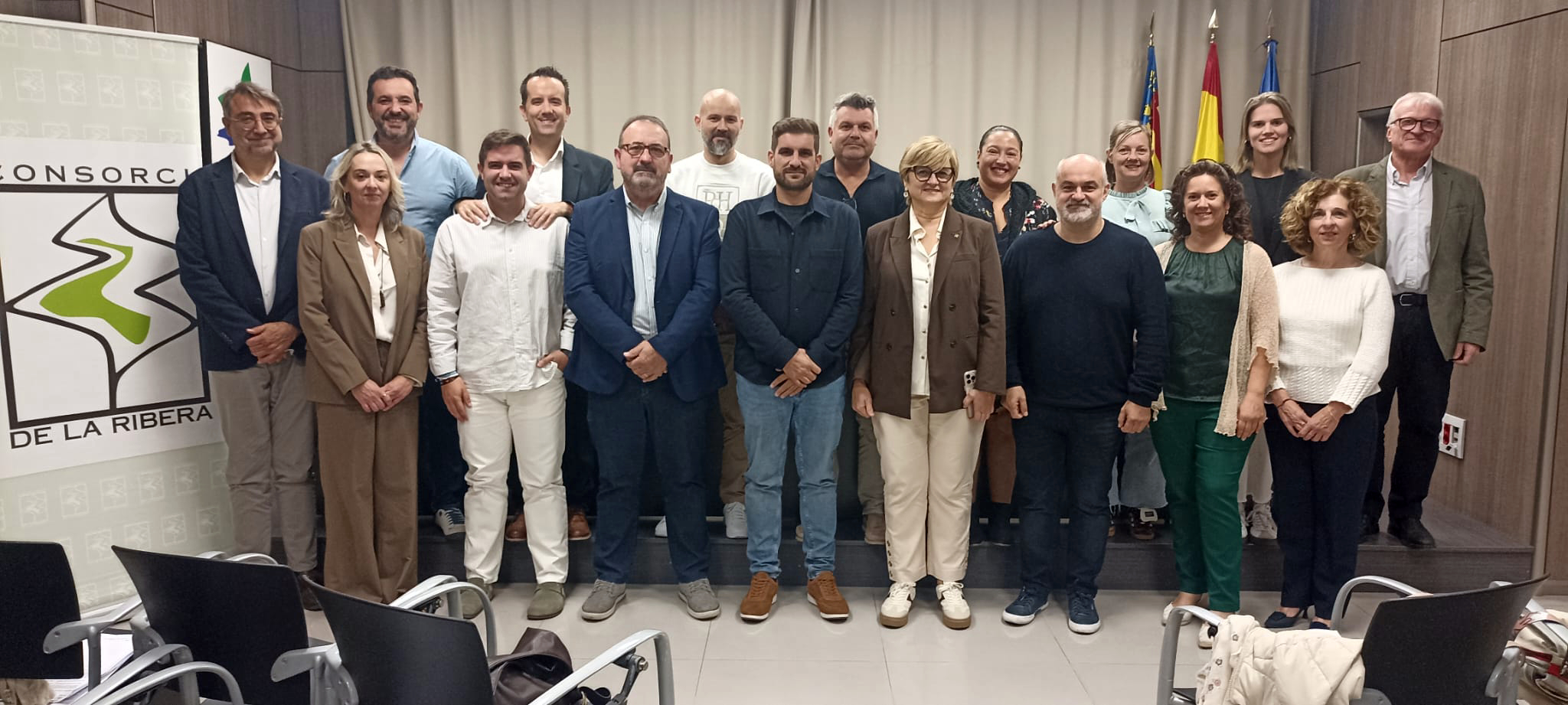
Toni Barea Olmos has been elected as the new president of the Consorci de la Ribera, the supramunicipal body formed by the associations of municipalities of Ribera Alta and Ribera Baixa. He took office during the extraordinary session of the General Meeting of the Consorci de la Ribera, held on Tuesday, 4 November 2025, in Alzira.

The new president is a councillor in the Alginet Town Council and replaces Josep Mur Díaz-Hellín, councillor in the Carlet Town Council, who has resigned from the position in accordance with the agreement reached at the beginning of the legislative term whereby each would assume the presidency for two years. Barea previously held the position of first vice-president of the Consorci de la Ribera and also holds the position of first vice-president of the Mancomunitat de la Ribera Alta.

«It is an immense honour for me to assume the presidency of the Consorci de la Ribera. I do so with respect, humility and full awareness of the responsibility involved in representing an institution that unites municipalities, projects and people with a common goal: to improve life in our region», said the president, who also had words of thanks for Josep Mur: «Thank you, Josep, for your dedication, your serenity and your understanding of public service».

Barea highlighted three fundamental areas that he wants to strengthen during his presidency: first, the efficiency of the Consorci de la Ribera as a public service close to local councils and citizens; second, the commitment to ecological transition and responsible resource management; and finally, the well-being and cohesion of the Ribera, without leaving any municipality behind. «I want this new stage to be one of dialogue and proximity. I want each local council to see the Consorci as an extension of its own work. I want the technical staff to continue to be the driving force behind ideas and initiatives. And I want citizens to see the Consorci as an ally, an institution that listens, responds and builds with them», he added.

The Consorci de la Ribera aims to manage collaboration agreements between the two associations and other bodies and to manage the areas under the Consorci’s responsibility: economic promotion, energy, tourism and environmental education.

In addition, it currently has very ambitious projects underway, such as Canya a la Canya, which will create a large 75-kilometre green corridor on the Xúquer River by eliminating invasive species in its flow.

Furthermore, the institution is ensuring animal welfare with the construction of two shelters for abandoned animals in conjunction with the associations of municipalities of Ribera Alta, Ribera Baixa and Safor: the first centre has recently been inaugurated in Tavernes de la Valldigna and the second, located in l’Alcúdia, will come into service in early 2026.

Other notable projects of the Consorci de la Ribera are EMMA and RISE Resilient Communities, two initiatives to combat disasters that are funded by the European Union through the ERASMUS+ programme. The first will improve the management of volunteers in emergencies, and the second will use adult education, digital learning and innovation.

In the area of energy, this department aims to contribute to the sustainable development of La Ribera by promoting renewable sources and energy saving. Its initiatives include the municipal energy assistance service, which helps local councils to meet their emission reduction commitments, while also combating energy poverty by advising citizens. Innovation is present in projects such as SMART STREET LIGHTING to achieve intelligent public lighting systems, the CEL LA RIBERA project to promote local energy communities, and the ADAPTA CPI project to define a methodology for adapting to climate change and renaturalising urban areas.

Skip to content